
The Invention of the First Casino
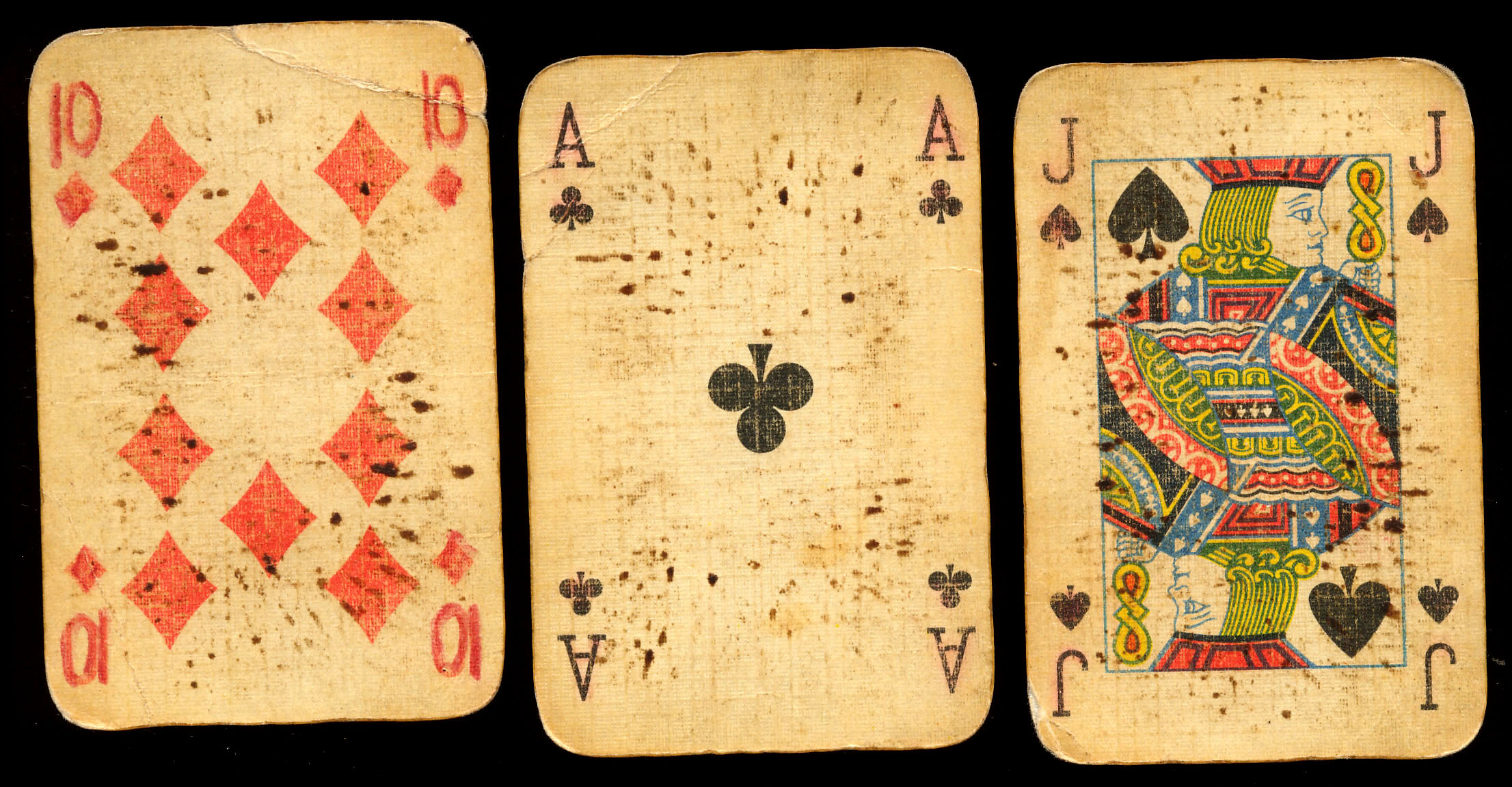
The concept of a casino, https://cryptorino-casinouk.com as a place dedicated to gambling and entertainment, has a rich history that dates back several centuries. The origins of the first casino can be traced to the early 17th century in Italy, specifically to the city of Venice. The term “casino” itself is derived from the Italian word “casa,” meaning house, which reflects the establishment’s function as a social venue for games and leisure activities.
The first official casino, known as the Ridotto, was established in 1638 in Venice. This establishment was created to provide a controlled environment for gambling during the Carnival season, a time when festivities and social gatherings were prevalent. The Ridotto was a private club that offered various games, including card games and dice, and was designed to cater to the wealthy elite of the time. It was a significant development in the world of gambling as it marked the transition from informal gambling in public spaces to organized and regulated gambling in a dedicated venue.
The Ridotto operated under the authority of the Venetian government, which sought to regulate gambling activities to prevent cheating and ensure fair play. This move was pivotal, as it laid the groundwork for future casinos to operate under governmental oversight. The establishment of the Ridotto was not only a response to the growing popularity of gambling but also a reflection of the social dynamics of the period, where the upper classes sought exclusive spaces for entertainment.
As the concept of casinos began to spread across Europe, various forms of gambling establishments emerged. By the late 18th century, casinos became increasingly popular in France, where the first modern casino, the Casino de Spa, was opened in the Belgian town of Spa in 1763. This casino featured a more extensive array of games and was designed to attract a broader clientele, further popularizing the casino concept.
The 19th century saw the rise of casinos in other parts of Europe and the United States. The Monte Carlo Casino, established in Monaco in 1863, became one of the most famous casinos in the world, symbolizing luxury and opulence. The American casino scene began to take shape in the early 20th century, with the establishment of casinos in places like Las Vegas and Atlantic City, which would eventually become synonymous with gambling and entertainment.
In conclusion, the first casino, the Ridotto, was established in Venice in 1638, marking a significant milestone in the history of gambling. This establishment set the stage for the evolution of casinos as we know them today, transitioning from informal gaming venues to formal, regulated establishments. The legacy of the Ridotto continues to influence the modern casino industry, which has expanded globally, offering diverse gaming experiences and entertainment options to millions of people. The history of casinos reflects changing social norms, economic conditions, and the enduring appeal of gambling as a form of entertainment.